
Buying Land in Hakuba: What You Can Build and What to Check
Category: Land & Development
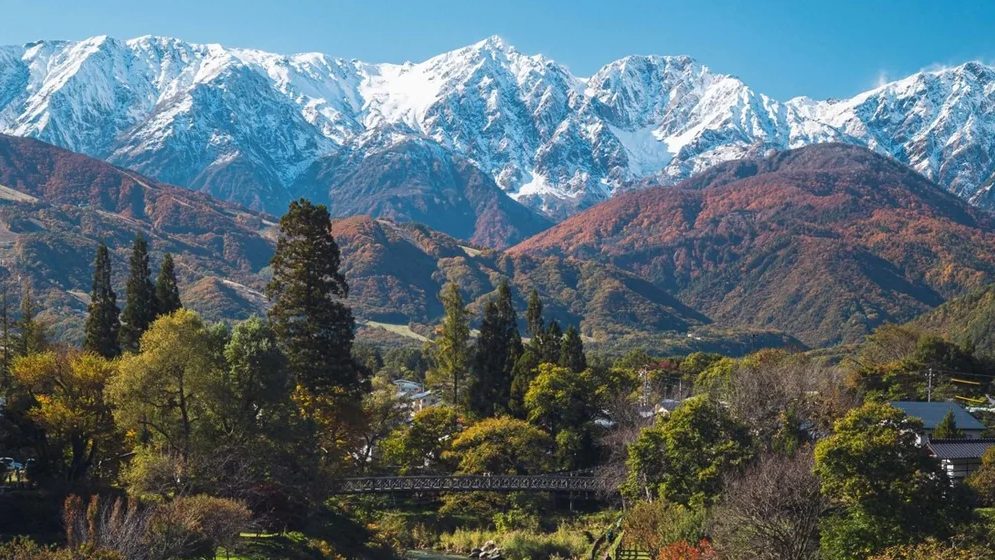
Short answer: When you look at Hakuba land for sale, check what the village and prefecture will let you build alongside the price. Hakuba has no zoning districts. Start with the prefectural building-form limits, the village landscape plan, village development rules, villa-area agreements and road access; farmland, utilities and the permits for your intended use may also matter.
This guide is written by the HakubaLand editorial team at Gemini株式会社. It is general information. Confirm the rules for a specific plot with Hakuba Village and Nagano Prefecture. If you are a non-resident or foreign buyer, read Can Foreigners Buy Property in Hakuba? first.
1. Hakuba building rules start with zoning: Hakuba is an “unzoned” city planning area
Hakuba Village says its entire city planning area is one where no area division is set and no use districts are designated (白地地域). Building coverage and floor-area ratios still apply. Nagano Prefecture sets them for unzoned areas, and the village publishes a building-form restriction map (Hakuba Village: city planning; Nagano Prefecture: unzoned area limits).
The absence of use districts does not mean anything goes. Ask for the coverage and floor-area figures that apply to the exact plot, and read them alongside the rules below.
2. Landscape plan: heights, setbacks and colours
The village landscape plan sets setbacks from roads and neighbours, maximum heights, and design and colour rules. The village explains that it divides Hakuba into zones with an absolute height limit of 18 m or 13 m. The village provides a notification form for building work in the landscape plan area (景観計画区域内行為届出書). Some districts have residents’ landscape agreements, and plans must be submitted to and approved by the district committee chair before the village notification (Hakuba Village: landscape).
3. Development rules: when the village gets involved early
Under Article 8(1) of the village ordinance on development coordination, a developer planning any of the acts listed in Article 6(1), such as those below, must consult the mayor on the plan “by three months before starting the development, or before applying for a permit or approval, or filing a notification, under the City Planning Act, the Building Standards Act, the Agricultural Land Act or other related laws” (ordinance, Art. 8(1)):
- Development needing a permit under the City Planning Act (3,000 m² or more in a city planning area without area division; City Planning Act Enforcement Order Art. 19);
- Clearing more than 1 ha of forest, which needs a forest development permit under the Forest Act Art. 10-2;
- Projects needing a permit or notification under the Nagano Prefecture Nature Conservation Ordinance (such as development over 1 ha, golf courses or ski lifts);
- Building for a different use on land that previously received a development permit (where the mayor deems it necessary);
- tree clearing or land alteration over 3,000 m²;
- buildings with 3,000 m² or more of floor area;
- condominiums of 3,000 m² or more, or 10 or more units;
- sites over 500 m² that involve building a designated road (位置指定道路);
- buildings above the landscape-plan height limit.
Hotels, inns and simple lodgings with a site of 2,000 m² or more but under 3,000 m², or with four or more storeys or a height of 12 m or more, are also subject to prior consultation under a special provision (Art. 6-2). The mayor hears the village development council, and the developer must in principle hold a briefing for nearby residents and interested parties (ordinance, Sept 2026 revision, Arts. 6-2 and 8).
4. Villa areas: agreements to check besides the law
The village notes that districts created by villa subdivision and similar development have nature-protection agreements under the Nagano Nature Conservation Ordinance, and some have their own agreements. The village publishes a table. For example, it lists building coverage of 20% and floor-area ratio of 40% for the Misorano villa area, with a 13 m height limit (8.5 m on sites up to 500 m²) and two storeys (Hakuba Village: other standards). These limits can be much tighter than the general rules, so a large plot in a villa area may allow a smaller building than you expect. The village says details should be confirmed through the important matters explanation for the sale; get the agreement and read it before you commit.
5. Building confirmation (建築確認)
Building in the village’s city planning area needs building confirmation. Applications go to Nagano Prefecture (Omachi construction office) or a designated inspection body, and applications to the prefecture need a written opinion from the village first (Hakuba Village: Building Standards Act). Outside the city planning area, buildings above a certain size still need building confirmation (Building Standards Act Art. 6(1)).
6. Road access
Inside Hakuba’s city planning area, the Building Standards Act generally requires a site to touch a legal road for at least 2 m. A road generally means one at least 4 m wide; narrower roads designated under Art. 42(2) also count, but the road boundary is then taken as 2 m from the road’s centre line, so buildings must be set back. A plot that fails this test may still be built on with an approval or permit from the designated authority under Art. 43(2), but this is not guaranteed in advance. Under Art. 41-2 the frontage rule does not apply outside the city planning area, although building confirmation may still be needed depending on the building. Check the village’s city planning area map to see whether a plot is inside it (Building Standards Act Arts. 41-2, 42, 43, e-Gov). Also ask who clears snow on private roads.
Checklist before you make an offer
- The building-form limits (coverage, floor area) for the exact plot.
- Landscape-plan height zone and any residents’ landscape agreement.
- Villa-area or nature-protection agreement, and the management company’s rules.
- Whether your plan triggers the development ordinance.
- Legal road access and frontage.
- Registered land category and actual use: farmland may need permission or notification depending on the deal and use (see the foreign buyers guide).
- Water supply, drainage or septic, and hazard map zones.
- Taxes: registration tax, acquisition tax and fixed asset tax generally start from the assessed value, not the price you pay, and each tax has its own adjustments and reliefs. Ask the seller for the current tax documents before you budget.
From plot to building
A plot’s value depends on what can be built and run on it. HakubaLand helps with land search and purchase as a licensed broker. Before purchase, we check access and intended use with the relevant specialists. If you go ahead, our long-term partner builders and architects carry out design and construction under their own licences and contract with you directly, and we coordinate between them and you. Rental operation and management for other owners’ properties is being prepared and is not yet available. See development and properties for sale.
Rules checked against Hakuba Village, Nagano Prefecture and e-Gov pages on 23 October 2026. Village rules are revised often; confirm with the village before acting.
Frequently asked questions
Does Hakuba Village have zoning districts?
No use districts are designated. The village states that its whole city planning area is unzoned (白地地域). Building coverage and floor area limits are instead set by Nagano Prefecture for unzoned areas, and the village publishes a map of them.
Do I need building permission to build a house on land in Hakuba?
Building confirmation (建築確認) is required for building inside the village's city planning area. Applications go to Nagano Prefecture's Omachi construction office or a designated inspection body, and applications to the prefecture need a written opinion from the village first.
Are there height limits in Hakuba?
Yes. The village landscape plan divides the village into zones with maximum heights of 18 m or 13 m. Some villa areas have stricter agreements.
When does a project count as development under village rules?
Village rules list: development needing a City Planning Act permit (3,000 m² or more), forest development over 1 ha needing a Forest Act permit, projects under the Nagano nature conservation ordinance, tree clearing or land alteration over 3,000 m², buildings of 3,000 m² or more floor area, condominiums of 10 or more units, sites over 500 m² needing a new designated road, buildings above the landscape height limit, and new uses on land with an earlier development permit. These require prior consultation with the village.
Can foreigners buy land in Hakuba?
Generally yes; see our guide for foreign buyers on the rules that do apply, including farmland and reporting requirements.